
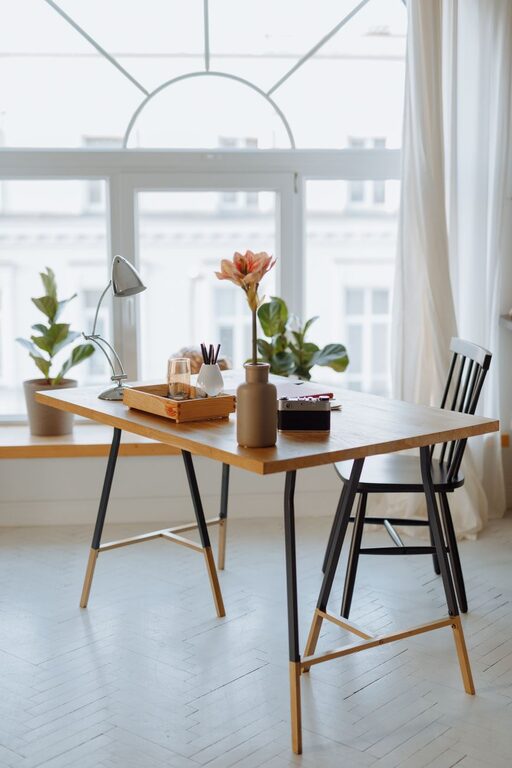
Creating a home workspace that feels cozy and inviting can greatly improve your comfort and productivity. Whether you work from home full-time or occasionally need a spot to focus, having a pleasant environment makes a big difference. Below are practical tips to help you design a workspace that feels both functional and welcoming.
Choose the Right Location
Prioritize Natural Light
A spot with plenty of natural light can lift your mood and reduce eye strain. If possible, set up your workspace near a window. Don’t forget to consider how sunlight changes throughout the day to avoid glare on your screen.
Minimize Distractions
Find a quiet corner or a part of your home where noise and foot traffic are limited. A calm environment helps maintain focus and keeps you feeling relaxed.
Invest in Comfortable Furniture
Select an Ergonomic Chair
Comfortable seating is crucial for long working hours. Choose a chair that supports good posture, with adjustable height and good lumbar support.
Use a Spacious Desk
Your desk should be large enough to hold your essentials without feeling cluttered. Consider a desk with storage options to keep your area tidy.
Personalize Your Workspace
Add Warm Textures and Colors
Soft cushions, cozy blankets, or a small rug can make your workspace feel inviting. Choose colors that calm you, like soft blues, greens, or neutrals.
Include Personal Touches
Decorate with items that inspire you – a favorite photo, a small plant, or meaningful artwork. These touches make the space uniquely yours.
Organize for Efficiency
Declutter Regularly
Keep only what you need on your desk. Excess clutter can be distracting and stressful.
Use Storage Solutions
Invest in organizers like drawer dividers, shelves, or filing cabinets to keep supplies neatly arranged.
Enhance Lighting
Combine Natural and Artificial Lighting
In addition to natural light, use adjustable desk lamps with soft, warm bulbs. This reduces eye strain during late hours.
Avoid Harsh Overhead Lighting
Direct overhead lights can create glare and discomfort. Use layered lighting to keep the mood calm and pleasant.
Incorporate Greenery
Bring in Plants
Adding plants improves air quality and adds a touch of nature. Easy-care plants like succulents, snake plants, or pothos are great options.
Create a Mini Herb Garden
If you enjoy fresh herbs, a small herb garden near your workspace can keep things lively and fragrant.
Control the Temperature and Air Quality
Adjust Temperature for Comfort
Use a fan or heater as needed to keep the temperature comfortable. A cozy environment supports concentration.
Improve Air Circulation
Open windows when possible or use an air purifier to maintain fresh air, which helps maintain alertness and well-being.
Establish a Routine and Boundaries
Designate Work Hours
Having clear start and end times keeps work from bleeding into personal time, helping you maintain balance.
Create a "Start Work" Ritual
A small ritual like lighting a candle or playing soft music can signal the start of your workday and help you focus.
Use Technology Wisely
Manage Cords and Devices
Use cable organizers to keep wires out of sight. A clean tech setup feels less chaotic.
Invest in Quality Equipment
Good headphones, a reliable keyboard, or a second screen can make work smoother and more enjoyable.
Keep Break Essentials Nearby
Create a Relaxation Spot
If space allows, have a small corner with a comfy chair or cushion for quick breaks.
Stock Refreshments
Keep water and healthy snacks handy to stay energized without disrupting your workflow.
—
Final Thoughts
Designing a cozy and inviting home workspace is about balancing comfort, functionality, and personalization. By choosing the right location, furnishing it comfortably, adding personal and natural touches, and keeping things organized, you’ll create a space that not only supports productivity but also feels like a pleasant place to spend your workday. Small changes can make a big difference in how you feel and perform while working at home. Experiment and adjust your workspace until it fits your needs perfectly.